
Sexual health is deeply tied to confidence, love, and self-worth. When something feels off in the bedroom, it can affect how a man sees himself and how he connects with his partner. Many men experience sexual dysfunction at some point in their lives. Knowing what is normal and when to seek help can bring relief and hope.
Understanding Male Sexual Dysfunction
Male sexual dysfunction refers to ongoing problems that affect sexual performance or satisfaction. These issues can happen during desire, erection, ejaculation, or orgasm.
Physical factors play a major role. These include heart health, nerve function, and hormone levels. Psychological factors also matter. Stress, anxiety, and depression can quietly affect sexual response. Lifestyle choices like smoking, lack of sleep, and poor diet can add more strain on sexual health.
Early evaluation and treatment are important. Sexual dysfunction is often a sign of another health concern. Addressing it early can protect both sexual wellness and overall health.
At CSM Manila, men have access to experts who specialize in male sexual health:
- Dr. Frederick Mendiola, Urologist and Sexologist for Men, evaluates and treats erectile dysfunction, premature ejaculation, low libido, and other male sexual concerns.
- Dr. Agnes Bueno, Psychiatrist specializing in Human Sexuality, helps address psychological and emotional factors that affect sexual performance, including stress, anxiety, and relational issues.
This combination ensures both physical and mental aspects of sexual health are addressed.
Common Types of Sexual Dysfunction in Men
Erectile Dysfunction (ED)
Erectile dysfunction is the inability to get or keep an erection firm enough for sexual activity. It is one of the most common male sexual problems.
Common causes include blood flow problems, nerve damage, hormone imbalance, and emotional stress. Anxiety and performance fear can also worsen ED.
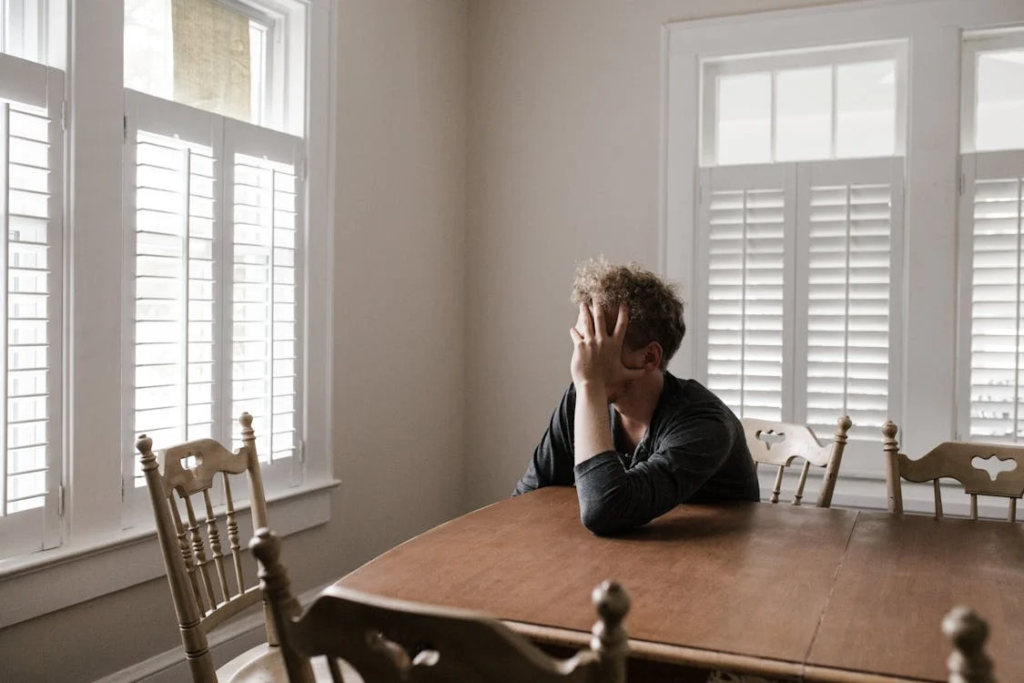
ED can deeply affect confidence and intimacy. Many men feel shame or frustration, which can strain relationships. ED becomes a medical concern when it happens often and does not improve on its own.
Premature Ejaculation (PE)
Premature ejaculation happens when ejaculation occurs sooner than desired during sexual activity. It may occur before penetration or shortly after.
Primary PE starts early in sexual life and is often ongoing. Secondary PE develops later and may be linked to stress, health issues, or erectile problems.
PE can lead to embarrassment and emotional distance between partners. Unlike other orgasm disorders, PE is about timing rather than lack of orgasm or erection.
Orgasm Problems in Men
Some men have difficulty reaching orgasm or cannot orgasm at all. This may be delayed orgasm or absent orgasm.
Orgasm problems are different from erectile or ejaculation issues. A man may have a firm erection and normal ejaculation but still struggle to feel release.
Psychological stress, nerve damage, and certain medications can contribute to these problems. Emotional connection and mental focus also play a role.
Loss of Sexual Desire in Men
Low libido means reduced interest in sexual activity. It can feel like passion has slowly faded.
Hormonal changes like low testosterone can affect desire. Mental health struggles and daily stress can also lower libido. Lifestyle factors such as fatigue and poor sleep add to the issue.
Low desire often connects with erectile function. When desire drops, arousal can become harder to achieve.
Causes and Risk Factors of Male Sexual Dysfunction
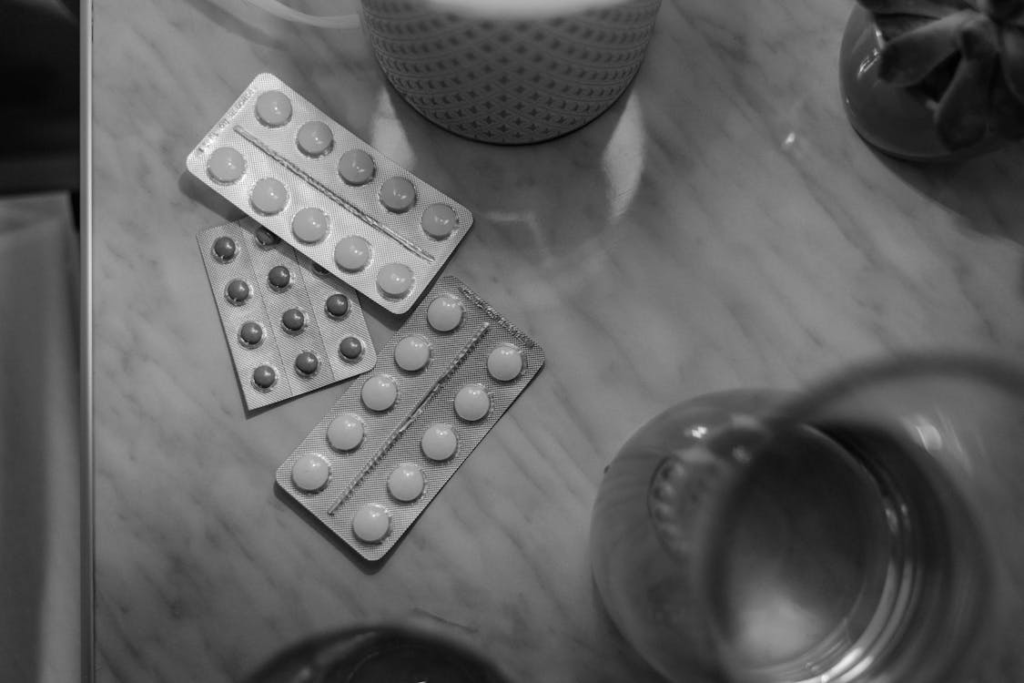
Poor cardiovascular health can reduce blood flow needed for erections. Hormonal imbalances can disrupt desire and performance. Mental health conditions such as anxiety and depression affect sexual response. Certain medications and substance use can interfere with normal sexual function.
When to Seek Professional Help
Sexual problems that last for weeks or months should not be ignored. If symptoms are consistent, they are likely not temporary.
Self diagnosis can be misleading. Many conditions share similar symptoms but need different treatments. Professional evaluation allows for accurate diagnosis and safer care.
Personalized treatment plans address both symptoms and root causes. This leads to better results and long term improvement.
Treatment Options for Male Sexual Dysfunction

Lifestyle changes can support sexual health. Regular exercise, balanced nutrition, stress control, and proper sleep help the body respond better.
Medical and therapeutic options may include medication, hormone management, or counseling. These treatments work best when guided by a healthcare professional.
Addressing the underlying cause is essential. Treating only the symptom may bring short relief but not lasting results.
Frequently Asked Questions About Male Sexual Health
Can multiple conditions occur together?
Yes. Many men experience more than one type of sexual dysfunction at the same time.
Are sexual dysfunctions age related?
They are more common with age but can affect men at any stage of life.
Can treatment improve overall quality of life?
Yes. Improved sexual health often leads to better confidence, mood, and relationships.
Takeaway
Male sexual dysfunction is common and nothing to be ashamed of. Understanding the signs and causes can empower men to take action. With the right support and care, sexual health can be restored and intimacy can feel fulfilling again.