
Female sexual health is deeply connected to comfort, confidence, and emotional closeness. When sexual problems appear, many women feel confused or alone. The truth is that sexual dysfunction in women is common, treatable, and worthy of care. Understanding these conditions is the first step toward healing and feeling whole again.
Understanding Female Sexual Dysfunction
Female sexual response involves desire, arousal, lubrication, orgasm, and comfort. These stages work together, but they can be easily disrupted.
Physical health affects sexual response through blood flow, nerve signals, and pelvic muscle function. Emotional wellbeing also plays a strong role. Stress, past experiences, and relationship safety influence how the body responds. Hormones guide desire, arousal, and vaginal comfort, especially during life changes.
Female sexual health is often underdiagnosed. Many women are told pain is normal or that low desire is just part of life. This leads to silence and delayed care. Learning more empowers women to seek support.
At CSM Manila, women’s sexual health is approached with compassion, medical expertise, and respect. Dr. Jennifer Marie José, Gynecologist and Sexologist for Women, specializes in evaluating concerns such as low libido, vaginal dryness, painful intercourse, arousal difficulties, and hormone-related changes across different life stages.
Sexual wellness also involves emotional safety and mental health. Dr. Agnes Bueno, Psychiatrist specializing in Human Sexuality, helps women address psychological and relational factors that may affect desire, pleasure, and intimacy, including stress, anxiety, and past emotional experiences.
With guidance from CSM Manila’s experts, female sexual dysfunction is no longer something women have to endure in silence. With proper care, understanding, and support, sexual health can be restored, and intimacy can feel comfortable, confident, and fulfilling again.
Common Types of Sexual Dysfunction in Women
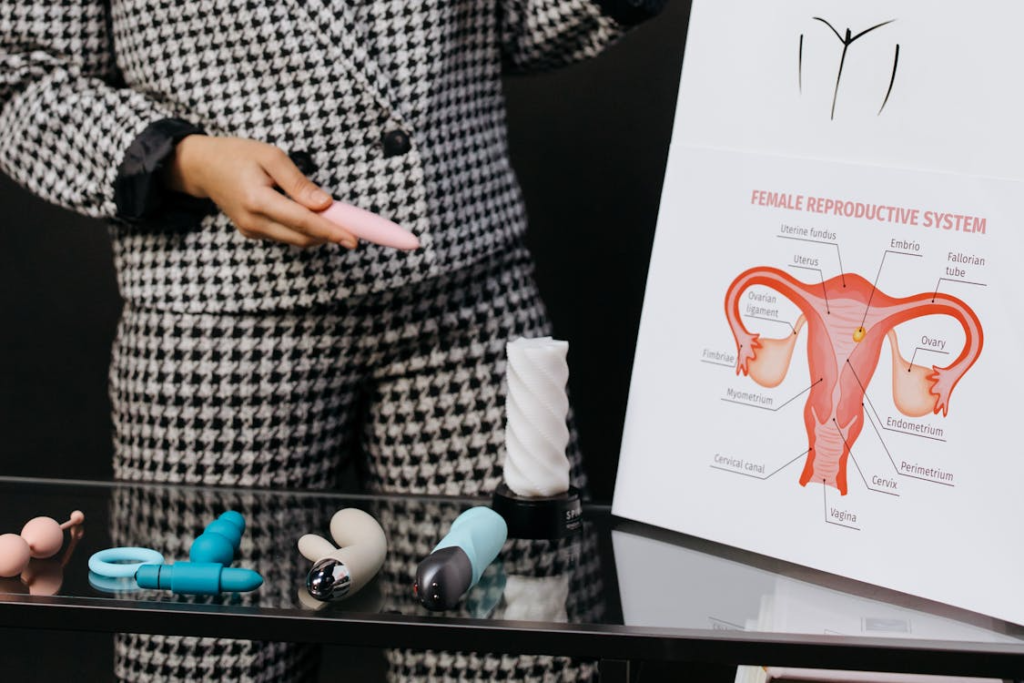
Low Sex Drive (Low Libido)
Low sexual desire means reduced interest in sexual activity. Some women feel disconnected from intimacy or no longer crave closeness.
Emotional stress, hormonal shifts, and lifestyle factors like exhaustion can lower desire. Relationship strain and body image concerns also contribute.
Low libido can affect self esteem and emotional connection with a partner. Many women feel guilt or sadness when desire fades.
Arousal Disorder
Arousal disorder involves difficulty becoming physically aroused. This may include lack of lubrication or genital sensation.
Desire and arousal are not the same. A woman may want intimacy but her body does not respond. Blood flow, nerve function, and emotional safety all play key roles.
Feeling rushed or unsafe can block arousal. Medical conditions can also affect the body’s response.
Orgasmic Disorder
Orgasmic disorder is the difficulty or inability to reach orgasm, even with stimulation.
Many myths surround female orgasm. There is no single normal way to climax. Each body responds differently.
Psychological factors like anxiety can interfere with release. Physical issues such as nerve sensitivity or pelvic tension may also contribute.
Vaginismus
Vaginismus is the involuntary tightening of vaginal muscles. This tightening can make penetration painful or impossible.
Causes may be physical, psychological, or both. Fear, past trauma, or pain memories often play a role.
Vaginismus can affect intercourse, gynecological exams, and emotional intimacy. Many women feel frustration and fear around penetration.
Vestibulodynia
Vestibulodynia is chronic pain at the vaginal opening. The pain may feel sharp, burning, or sore.
Symptoms are often triggered by touch, intercourse, or tampon use. The pain is localized but deeply distressing.
Unlike vaginismus, the pain comes from sensitive tissue rather than muscle tightening.
Dyspareunia (Painful Intercourse)
Dyspareunia refers to pain during sexual activity. The pain may be superficial or deep.
Common causes include gynecological conditions, low estrogen, and pelvic muscle issues. Hormonal changes often worsen discomfort.
Ongoing pain can lead to fear of intimacy and emotional withdrawal. No woman should accept pain as normal.
Hormonal Imbalance
Hormones play a vital role in sexual health. They influence desire, arousal, lubrication, sensitivity, and overall comfort. When hormone levels shift or become imbalanced, sexual function can change noticeably.
Life stages such as postpartum recovery, breastfeeding, perimenopause, and menopause are closely linked to hormonal fluctuations. During these periods, changes in estrogen, progesterone, and testosterone can affect libido, vaginal moisture, elasticity, and sexual responsiveness.
Hormonal imbalance does not affect just one aspect of sexual health. It can lead to multiple sexual dysfunctions at the same time, including low desire, difficulty with arousal, vaginal dryness, discomfort during intimacy, and reduced satisfaction. Recognizing hormonal imbalance early allows women to seek appropriate care and restore balance, comfort, and confidence.
Causes and Risk Factors of Female Sexual Dysfunction
Hormonal changes affect many aspects of sexual health. Pelvic health conditions can create pain or tension. Psychological factors like stress and trauma influence response. Medications and chronic illness may also interfere with desire and comfort.
When to Seek Professional Help
If symptoms are persistent or worsening, professional care is important. Pain and discomfort are not normal parts of sex.
Ignoring symptoms can lead to emotional distress and worsening physical issues. Individualized care allows treatment to match each woman’s needs and experience.
Treatment Options for Female Sexual Dysfunction

Treatment may include medical, hormonal, and therapeutic approaches. Pelvic floor therapy and counseling help address both body and mind.
Holistic and lifestyle-based support such as stress management and education also plays a role. Effective care often combines multiple approaches.
Frequently Asked Questions About Female Sexual Health
Can multiple conditions occur together?
Yes. Many women experience overlapping sexual concerns.
Are these conditions treatable?
Yes. With proper care, many women see significant improvement.
How long does treatment usually take?
Treatment length varies based on the condition and individual response.
Takeaway
Female sexual dysfunction is common and real. Every woman deserves comfort, pleasure, and confidence in her body. With understanding, support, and proper care, healing is possible and intimacy can feel safe and fulfilling again.